
Duyurular
You can turn big goals into simple moves you do each day. Tiny actions are easy to start, and they stack into real change without overwhelming your schedule.
The brain prefers routines. Habit loops form in the basal ganglia, cutting decisions and saving energy. On average, a behavior automates in about 66 days, and small gains compound—think roughly 1% better each day becoming nearly 37x after a year.
Research shows short breaks improve performance. Surgeons who paused for 20 seconds every 20 minutes were far more accurate and felt less pain. That same idea translates to your morning and work blocks.
In this article, you’ll get practical examples that map a goal to a tiny action you can do today. Expect clear steps that lower friction, reduce decision fatigue, and help you build momentum across life and work.
Why tiny changes today create big wins over time
A handful of tiny actions, repeated, reshape your outcomes more than rare big pushes. When you break goals into small steps, you lower the pressure to start. That makes it easier to show up every day and keep momentum.
Duyurular
You get frequent, dopamine-rewarding wins from small, low-friction moves. Those wins reinforce behavior and help new habits stick without draining willpower.
The 1% improvement idea explains this plainly: tiny gains compound. Do a little better each day and weeks turn into major progress. Over months, small choices create outsized results.
- Translate big goals into tiny actions you can do today.
- Favor streaks and reliability over intense sessions.
- Use tiny adjustments to reduce friction and keep showing up.
You’ll find this way less stressful than overhauls. Start with one simple action and build from there—consistency beats occasional effort every time.
Duyurular
The science of small wins: how your brain builds habits and saves energy
A steady stream of tiny successes rewires your brain to run useful routines on autopilot. That shift lowers daily friction and frees mental energy for bigger work.
Dopamine, the habit loop, and the “1% improvement” effect
The basal ganglia store repeated routines so you stop thinking about every move. A simple cue starts a craving, you respond, and a small reward triggers dopamine. That reward nudges you back the next time.
Small wins matter because they give fast feedback. Do a little better each week and compounding growth appears over months. Pick a tiny, repeatable action and watch results add up.
Why 66 days of repetition matters more than motivation
Research shows routines average about 66 days to feel automatic. Consistent practice across times and days beats bursts of willpower.
Automation saves energy and cuts decision load, so you can focus on higher-value work. Make systems that carry you through low-motivation periods and the loop will do the heavy lifting.
micro productivity habits you can start in minutes
Small, timed actions you can do in minutes reshape how your day flows and what you finish. Use short routines to cut decisions and keep momentum without stress.
The five-minute morning plan: List your top three priorities so you begin with clarity instead of reacting to email. This little practice reduces decision fatigue and speeds your morning.
- Two-minute rule: Knock out tiny tasks immediately to build quick wins and momentum into deeper work.
- Five-minute declutter: Clear your desk to free visual space and lower cognitive load.
- Mindful micro-breaks (20–60 seconds): Breathe or stretch; short pauses improve accuracy and cut fatigue.
- Batch-check email: Set times to scan messages so interruptions don’t consume your work time.
Use the 20-second trick to pre-stage a hard task: open the file or set out tools so starting takes almost no effort. Single-tasking, short movement breaks, quick reflections, one-page reading, and five-minute journaling all add up. Trim social media by five minutes a day to reclaim attention and steady progress.
Turn small actions into a system you control
When you map small steps to clear cues, your routines run on autopilot instead of memory. Pair a cue (time, place, or trigger) with one tiny action and the habit loop — cue, craving, response, reward — starts to do the work for you.
Anchor habits to cues, times, and places for reliability
Pick a stable context like after coffee or at your desk. That time or location becomes the cue that starts the response automatically.
Use tools like ClickUp to set reminders, recurring tasks, and visible dashboards so cues are ever-present.
Use start-small steps and clear rewards to sustain effort
Begin with steps so tiny you can’t say no. Close the loop with a quick reward — a checkmark, a streak count, or a short note of progress.
- Map each action to a cue so it fires without thinking.
- Keep steps minimal to ensure you show up each day.
- Define immediate rewards to create fast wins and reinforce goals.
- Stack small steps so one action leads naturally to the next.
For more ideas on tiny routines that scale, see this 100 tiny changes guide.
Tools that make micro changes effortless at work and home
The right apps remove friction so small changes stick across your day. Use tools to make your list visible, block interruptions, and reward steady wins.
ClickUp helps you set goals, break them into smaller tasks, and add recurring schedules. Dashboards give a quick top-down view so your priorities surface in seconds.
Freedom blocks distracting sites and runs Focus Sessions. Review session data each week to reclaim lost time and protect deep work.
Habitica, Way of Life, and Streaks add gamified tracking and visual streaks that make sticking to a habit fun and visible.
Notion or Todoist keep daily reviews and planning simple. Keep a short list of micro actions, pair it with a lightweight journal like Day One, and use a two-minute reflection template to close the day.
- Set reminders and priorities in ClickUp so important tasks surface without thinking.
- Use one app to plan, one to block distractions, and one to track streaks.
- Schedule a short weekly check-in to adjust priorities and recurring tasks.
Apply micro habits across life: work, home, and personal growth
Use short, repeatable moves so progress fits your schedule. A few reliable steps each day help you grow skills, clear space, and feel calmer at once.
At work: learning blocks, delegation practice, end-of-day “closing shift”
Set a 15–20 minute learning block on weekdays to build skill without derailing focus. After each block, spend two minutes writing what you learned to lock retention.
Practice delegation in tiny steps: assign one low-risk task this week and review results. Add a five-minute closing shift at the end of the day to tidy, review priorities, and prep for the morning.
At home: evening reset, prep for tomorrow, tiny wellness routines
Do a quick evening reset—dishes, clear surfaces, and a short checklist—so your morning is easier. Layer tiny wellness moves: a short stretch, one-page reading, or a five-minute journal before bed.
Keep each habit anchored to a cue like after dinner or after brushing your teeth. Tailor loops to whether you’re a morning person or a night owl, and run a short weekly review to tune what matters in your life.
Overcome common obstacles without extra pressure
Obstacles don’t have to stop you — they can point to smarter ways forward. Use simple cues, short blocks of time, and tiny tweaks so progress keeps moving when life gets busy.
Out of sight, out of mind: use cues, calendars, and visual boards
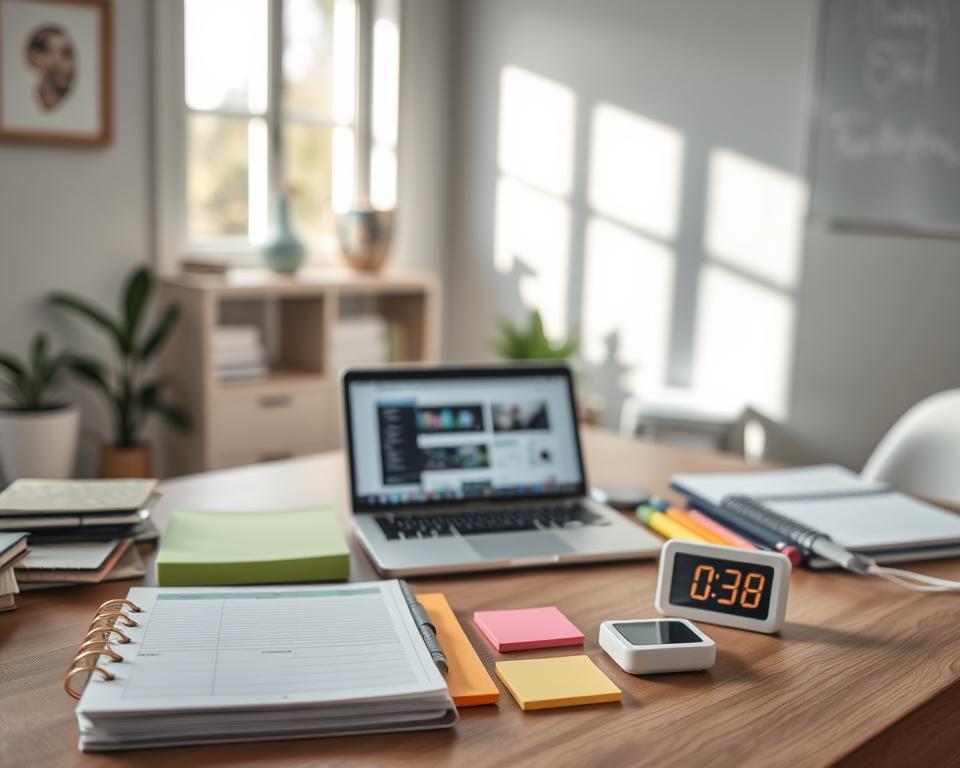
You’ll make habits visible with sticky notes, calendar blocks, or a dashboard so goals stay in view. Visual cues and reminders stop “out of sight, out of mind” from derailing you.
When priorities collide: time-box tiny steps and protect high-impact tasks
When priorities compete, preserve momentum by time-boxing tiny steps. Block short windows so your best work gets protected and your list moves forward without added pressure or stress.
Plateaus happen: gently increase time, reps, or complexity
Plateaus are a sign of growth. Nudge your routine by raising duration or reps—two pages to five, or one minute to five—to restart progress in a calm way.
- Quick fixes: prep gear the night before to lower start friction.
- Fallback way: keep a one-minute version for hectic times so the habit never fully breaks.
- Weekly check: reorder priorities and fix common areas of friction with small changes.
Measure progress weekly to see results and stay motivated
Weekly reviews turn scattered effort into clear progress you can act on. Spend a short block each week to scan streaks, note small wins, and make one tweak for the coming days.
Track streaks, review small wins, and adjust next steps
Make the review painless: keep a short list of active actions so you can see what works fast. Tools like ClickUp, Way of Life, and Streaks make dashboards and streaks visible.
- You’ll set a recurring weekly review to scan streaks, check progress toward goals, and celebrate small wins.
- Track both inputs (minutes practiced) and outcomes (tasks completed) so evidence drives motivation, not hope.
- Look for trends—when you succeed every time, note the cue and time of day to double down.
- Refine next steps by nudging duration or difficulty enough to beat plateaus while keeping consistency.
Reflective workers who review daily or weekly activity score about 23% higher performance. Keep reviews brief, write one adjustment per habit to test next week, and let visible progress fuel steady results.
Start small today: pick one habit you can do in two minutes
Begin with a two-minute action that removes the hardest step: starting. Do something so brief you can’t talk yourself out of it. That low barrier builds momentum without draining willpower.
Examples: open a project file, write three lines, read one page, or stretch briefly. These moves lower activation energy and make the next step easier.
- Choose one two-minute behavior you can do today—open the notes app, write a sentence, or stand and stretch.
- Keep it possible on your busiest day; consistency matters more than intensity.
- Use a cue and a timer or stack it after an existing routine so you start fast.
- Track wins, protect the window (silence notifications), and reward completion.
- If you miss a day, reset without guilt and do the two-minute version as soon as you remember.
After a week, decide whether to keep two minutes or add one more minute. Small scaling feels natural when you conserve energy and build a reliable groove. For tips on beating the startup hurdle, read this short guide on how to stop procrastinating.
Çözüm
Make consistency easier by designing one cue and one two-minute response today. Pick a single, tiny step you can do at the same time and place each day to reduce start friction.
Your brain learns fast when actions repeat. Use streak tracking, quick rewards, and a short journal or dashboard to keep wins visible and reduce pressure. These small systems turn effort into automatic behavior over time.
Start with one step that fits your life and protect it with time-boxing or batching. Review your week briefly, tweak the step, and repeat. Small changes every day become lasting growth and real results in work and home.